Wildfires are spreading and they're getting more expensive by the minute
WASHINGTON, D.C. – In the Summer of 2020, one month into purchasing her first home in the coastal city of Mendocino, California, Jessica Luriel’s home was burned down after the August Complex wildfire struck her hometown.
“It was everything I dreamed of. It was everything I worked hard for and now it is all gone. The fire took it all away from me,”” Luriel explained.
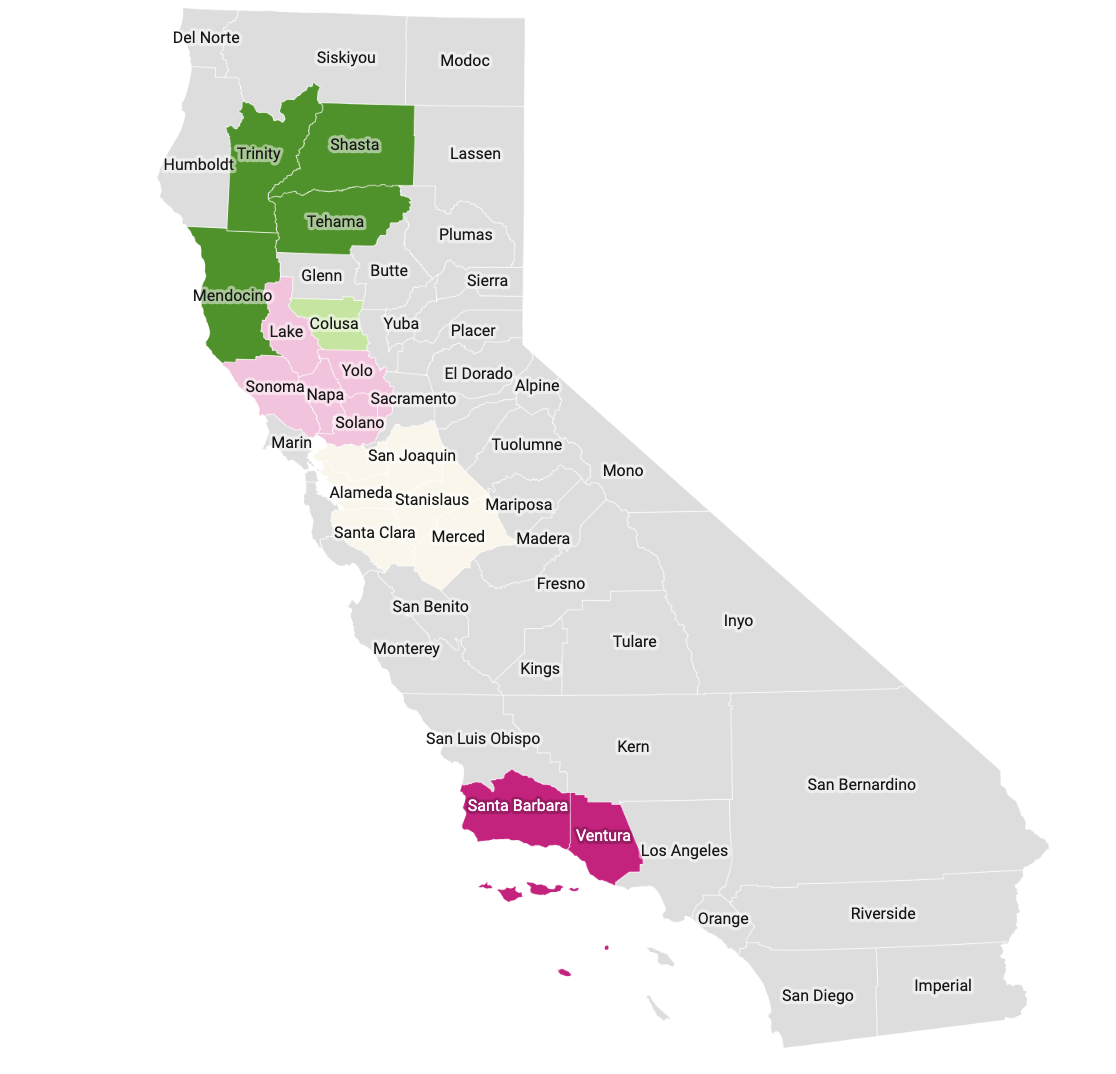
By the time the wildfire was fully extinguished on November 12, the August Complex wildfire had burned over 1 million acres or 1,614 square miles, about 1 percent of California’s 100 million acres of land, an area larger than the ocean state of Rhode Island. The massive wildfire burned along the Coastal Range of Northern California, in Glenn, Lake, Tehama, Trinity, Shasta Counties, and Luriel’s hometown of Mendocino.
“It was literal hell. All you could see was bright-red flames that were huge burning the homes we all worked so hard to purchase. All you could see was our community, our trees and plants burning and disappearing into dust in seconds,”” the wildfire victim explained as she wiped tears off her face.
Fires spread rapidly:
Like Luriel, every year thousands of Americans lose their homes as a result of a wildfire not being contained on time. Just last year, four out of the five deadliest wildfires in U.S. history occurred, resulting in millions of acres burned, latest data from the Federal Emergency Management Agency (FEMA) shows.
Between 2005 to 2020, 2,391 wildfires have burned nearly 89,000 structures, including homes and businesses throughout the country. The most damaging wildfire seasons in recent years, including seasons 2017, 2018 and 2020 account for 62 percent of the structures lost over the last 15 years, a study done by Headwaters Economics shows.
According to the Climate Science Special Report: Fourth National Climate Assessment, wildfires are directly linked to climate change and increased temperatures. Since 1901, the annual average over the contiguous United States has increased by 1.8¡F, causing an average of 62,963 wildfires to strike the country each year. By 2050, the annual average temperature is expected to rise about 2.5¡F for the United States and may cost the country bigger and more expensive wildfires.
“As temperatures increase, so do the chances of us having a wildfire,”” a spokesperson at FEMA said. “You can only expect the problem to get bigger and more expensive as climate change continues to worsen,”” the spokesperson added.
All of California’s biggest wildfires have been caused as a result of rising temperatures that led to weather disasters such as drought, extreme lighting, and storms. The August Complex fire, America’s largest wildfire and California’s largest complex was caused by a series of lightning that created multiple smaller wildfires that merged into one. Similarly in 2018, California’s second largest fire, The Ranch, was created by a series of lighting and damaged over 4,000 acres. The SCU Lightning Complex, the LNU Lightning Complex and the Thomas Fire all are all a series of fires that occurred in 2020 and burned more acres combined than the August Complex did.
Wildfires cost money, a lot of it:
As a result of wildfire incidents becoming more common, emergency fire funding given to states has increased drastically. Particularly in California, since 2013, the Golden State has received nearly $373 million in emergency grants to contain and try to eliminate wildfires that have burned over 5 million acres of land. In 2019, the year in which wildfires burned approximately 285,500 acres of land, (the most damage California has witnessed due to wildfires), the state had received nearly $48 million, $2.5 million more than it did the previous year. In 2016, during its final stages of being in a severe drought, the state received the most amount of funding it ever had at a record $49.2 million.
While emergency grants help mitigate the problem, they do not end them, experts argue.
“Money of course helps us attempt to resolve these issues, but they do not actually fix them,”” said Britney Munoz, fire safe council coordinator and community outreach specialist at the Fire Safety Council of San Diego County. “We must begin looking at the root of the problem which is climate change and begging to invest in ways to prohibit wildfires and not just throw money at the issue after the fires have erupted,”” the fire safe council member added.
Despite 2020 being a very alarming and deadly wildfire season, FEMA cut California’s funding for fiscal year 2020. The state received the most money in 2013 at 50.6 million dollars, over 6 million more than it did in 2020.
Over the past 10 years between 2011 and 2020, there was an average of 62,693 wildfires annually, resulting on average for 7.5 million acres to burn, the Congressional Research Service finds.